5 Reasons Your Hot Water Runs Out Fast (And Why “Turning Up the Heat” Won’t Fix It)
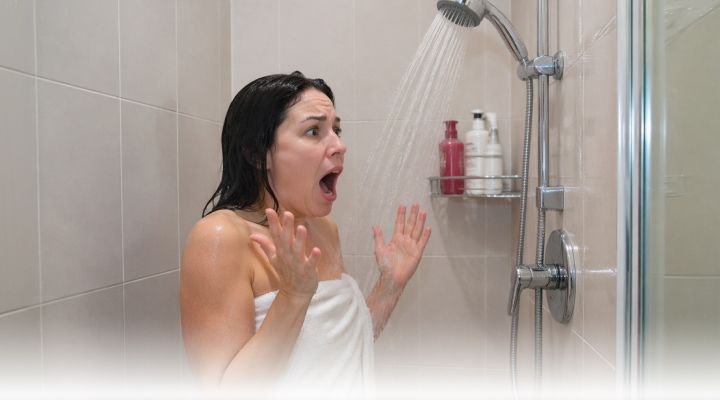
If you’re running out of hot water faster than usual, or you’re trying to turn up the thermostat and hope for the best, then we have some bad news for you. It won’t help! But why does this happen in the first place?
It’s not you. Your water heater is either undersized, full of sediment, or nearing the end of its life, and fixing it doesn’t always solve the problem.
What Type Of Water Heater Do You Own? Let’s Find Out
Before you can fix a hot water problem, you should know what kind of system you’re actually dealing with.
Tank Water Heater (or the one you probably own)
This is what most homeowners in Ontario have. A tank water heater (gas or electric) is quite large (ranging from 150 to 270 litres). It stores preheated water and releases it whenever you turn on a hot tap.
Tankless Water Heater (heats water only when you use it)
Tankless water heaters (gas or electric) work completely differently from the tank models. Instead of storing hot water, they heat water instantly as it flows through the unit. No tank means no waiting and no issues, such as hot water runs out after one shower. You get hot water on demand, every time you turn on a tap or shower.
Heat Pump Water Heater (or the unique one)
Heat pump water heaters (standard or hybrid) don’t generate heat directly, like traditional units. Instead, they move heat from the surrounding air into the water, which makes them highly efficient under the right conditions.
Power & Direct Vent Gas Water Heaters (do you have this one?)
Gas-powered tank heaters use either fan-assisted (power vent) or natural draft (direct vent) systems to safely exhaust combustion gases. They heat water faster than electric tanks, which is why many Ontario homes rely on them. But since this type uses gas, many homeowners face a gas leak smell near the water heater, which is really dangerous.
Why You’re Really Running Out of Hot Water (And Why It Keeps Happening)
When your water heater can’t keep up, you wonder, “How do I know if my water heater needs replacing in Ontario?” Now that you know the systems, here’s a breakdown of what’s most likely causing your specific problem and what can actually fix it.
Reason #1
Your Water Heater Isn’t Big Enough
You ask yourself: “Why does my hot water run out so fast?” The answer is your tank, which is just too small for your needs. A hot water tank stores a set volume of preheated water, and when that’s gone, you’re waiting for cold water to heat up from scratch.
What you notice: Hot water runs out at the same point every morning or evening. You take two showers back to back and there’s not enough hot water, and by the third, it’s cold.
How to fix it: You can buy a larger tank, but it doesn’t solve the fundamental problem since a tank always has a limit. The permanent fix is going tankless.
A tankless system heats water on demand rather than storing it, meaning there’s no fixed supply to run out of, regardless of how many people are showering back to back.
Reason #2
Your Water Heater Has Sediment Buildup
Another reason why the water heater not getting hot enough anymore is Ontario’s hard water, causing sediment to build up in the system, obstructing it. You may not notice this until your hot water runs out much more quickly than before, and the shower gets cold halfway through.
The signs: It happens gradually, and you might not even notice it in the beginning. Then you hear rumbling or popping from the tank, and wonder what’s that? That’s the heating element burning through accumulated scale.
How to fix it: You may flush the tank, but if the water is hard, you’ll need to do it often to keep the system working. A permanent solution would be installing a tankless system. No tank means no sediment and annual flushings.
Reason #3
You Use Too Much Water Simultaneously
If your hot water used to last longer but now runs out faster, it sometimes means you’re using more hot water than your heater can keep up with.
The signs: You jump in for a shower right after someone else, and the water’s cold. Or you start the washer while someone’s showering and notice the water temperature drops significantly.
How to fix it: You could try coordinating everyone’s showers, laundry, and dishwashing, but let’s be honest, that’s nearly impossible in real life. If you’re constantly running out of hot water, consider a tankless system or a larger tank.
Reason #4
Your Thermostat Doesn’t Do Its Job
This part of your system is too important to ignore! It reads the water temperature in the tank and tells the heating element when to fire up and when to shut off. Unfortunately, DIY water heater repair won’t help here.
The signs: Water is warm but never fully hot, regardless of the thermostat setting. If you’ve turned the dial up more than once in the last year just to maintain the same performance, then the thermostat must be replaced.
How to fix it: Call in a plumber to test the thermostat with a multimeter. By the way, it’s not that expensive to replace it.
Reason #5
Your Heating Element Is Out Order
Searching for “cold shower after 10 minutes causes?” That’s the one. A broken heating element is one of the most common hot water problems in Ontario homes, especially if your water heater is 10 years old and you don’t get enough hot water.
The signs: Hot water runs out significantly faster than it used to, even though nothing has changed in your habits. If the element is faulty, the tank can only heat the water above it, leaving you with never enough hot water.
How to fix it: Plumbers usually replace faulty heating elements, and, as with a thermostat, it’s quite affordable to do so.
Constantly Running Out of Hot Water? Let’s Figure Out Why!
Tired of cold showers and adjusting your thermostat just to have enough hot water? Answer these 7 quick questions, and we’ll tell you exactly what’s likely going on and what to do about it.
Your Replacement Options & Why Go Tankless Might Be The Best One
It’s time to consider your replacement options. Here are some solutions that can ensure you always have the hot water you need.
Option #1. Go Tankless (smart and efficient choice)
Why place this as the first and most efficient option? Unlike tank systems, tankless water heaters deliver hot water on demand, so you never run out.
You replace an old storage tank that limits supply with a system that heats water instantly, so you don’t deal with sudden cold bursts, recovery waiting times, or inconsistent hot water throughout the day.
Endless hot water whenever you want You want to take showers, do laundry, and clean dishes at the same time? No problem. With a tankless system, you get continuous hot water without the limit of a storage tank.
It’s energy-efficient, so your bills stay lower You already know that this system heats only what you use. Thus, your energy consumption is reduced by up to 30% compared to traditional water heaters.
It will serve for over 2 decades, literally Of course, you still need to maintain the system properly, but 20+ years is nearly double the lifespan of a traditional tank system.
You get more space, like way more free space Whether your home is big or small, you still want to have some extra space for stuff. And wall-mounted tankless water heaters are perfect for this.
Option #2. Upgrade Your Traditional Tank Unit (quick fix that comes with limits)
Sometimes, sticking with your standard tank water heater is the simpler and more affordable solution. But just sometimes.
It’s cheaper but short-term Even though replacing your old tank is usually cheaper than installing a tankless system, over the years, maintenance costs add up, and you’ll end up paying much more.
You get more hot water, but it still has limits You know exactly how much hot water is in the tank. But once the tank is empty, you’ll have to wait for it to heat up again. It’s a temporary fix.
Energy bills stay higher, even if it’s new As you already know, tanks heat and store water constantly, so they’re basically wasting energy even when you’re not using them.
It’s bigger but takes up even more space A bigger tank means more hot water for your family, but it also means you have less space for storage or other household needs.
This option will definitely solve your problem, but not for long. Once you use more water, the issue will return, and you’ll have to replace the tank again.
Option #3. Repair & Service Your Water Heater (fix it now, but expect more repairs later)
Sometimes, you don’t want to replace your unit just yet, thinking that fixing the water heater leaking from the bottom, replacing thermostats, or flushing the tank means getting more hot water, at least for a while.
It’s quick and cheap, but comes with its “buts” Repairing your current system will cost you less than replacing it, and can restore hot water fast. While these fixes can solve your problem, they don’t tackle the “not enough hot water in the shower“ problem.
You get more hot water, but temporarily When you replace worn parts, you get your water heater working again, but it won’t increase the tank’s capacity, and the parts will fail again over time if your unit is over years old.
Buys you time, but doesn’t prevent replacement Proper maintenance can delay the need for a new water heater, but it won’t stop it forever. Eventually, the same problems will return, and you’ll have to replace or repair the system again.
You notice improved performance, but partially Once you fix your old system, it will run more smoothly and heat water better until it gets clogged by hard water or another part fails.
Hot Water on Demand Is a Choice You Make with the Right System
Most of the issues we talked about come down to an old or undersized water heater. Sure, you can flush the tank, replace a heating element, turn up the thermostat or even watch a YouTube water heater tutorial. It will help for a while.
If your system is under 8 years old and the issue is minor, a repair might make sense because no hot water at all doesn’t always mean an emergency. If your appliance is old, needs many repairs, or if you often have to balance showers and laundry, it’s time to consider a replacement.
Contact Superior Plumbing & Heating, and our experts will answer all your questions about trenchless repairs.
Consult a plumber to check your home’s actual hot water needs and install a system that covers them, saving you money on energy bills and repair headaches.
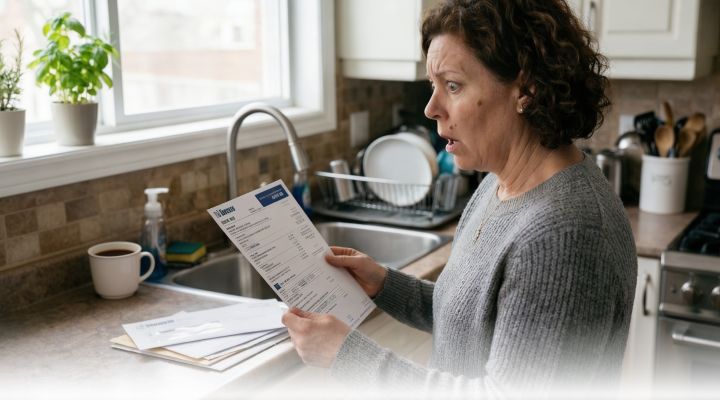
If you’re asking, “Why did my water bill suddenly go up when nothing changed?”, then you’re not alone. It’s one of the most common plumbing complaints homeowners have in Ontario! But once you find a cause, you can fix it. To do so, let’s begin with the basics.
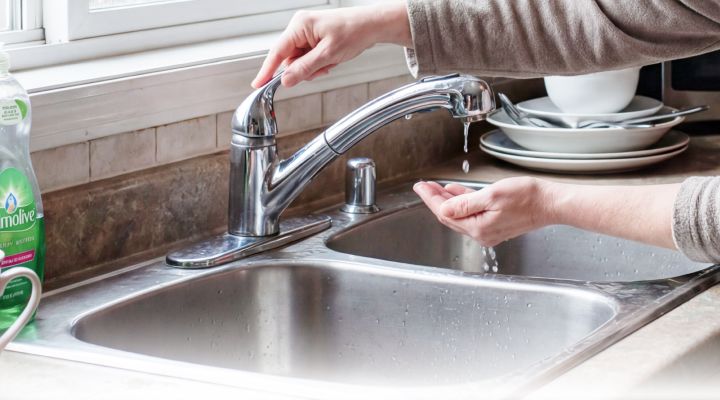
There are many reasons for low water pressure in the water heater or throughout your home. If the problem is due to the city’s water supply, like a broken water main, you’ll need to wait for the water company to fix it. However, if the issue is specific to your home, such as a leaking water pipe or a faulty pressure regulator, plumbing repairs can help fix the problem.