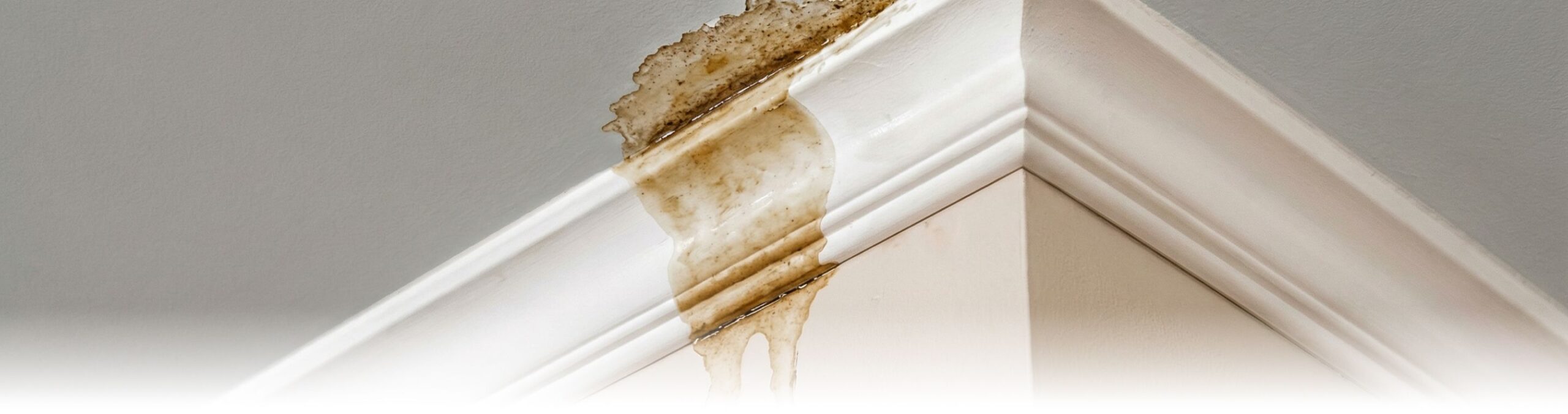
You surely don’t think about your pipes until something goes wrong. A leak in the ceiling. A drop in water pressure. Rusty water is coming out of the tap. At first, it feels like separate issues. You fix one, then another. But these aren’t isolated problems you can keep patching—they usually point to one main culprit: your pipes.
Yes, it does. If your pipes are aging, the money you’re spending on repairs and increased water bills outweighs the cost of replacing them. The sooner you do, the better.
How Do You Know If You Actually Need Whole-House Repiping?
Not every plumbing issue you face requires tearing out all your pipes. But if you’re dealing with multiple symptoms happening simultaneously, your entire system is likely failing.
Compare Your Situation and See What Solution Fits You Best
What You Notice
Partial Repair
Whole-House Repiping
Do Nothing
Frequent leaks in different locations
You fix leaks as they appear, but the issue may return within months
You replace all aging pipes to prevent future leaks
You continue paying for emergency repairs as the water damage grows
Rusty water from multiple taps
You replace visible pipe sections, but discoloration often returns
You install new piping throughout and get crystal-clear water
You keep drinking and bathing in water contaminated with rust and lead
Low water pressure
You replace clogged sections and see a temporary improvement
You replace the system fully, restoring proper flow and pressure
Showers remain weak, appliances fill slowly, and hot water runs out too quickly
Temperature fluctuations
You adjust valves, but it doesn’t help because the system is unbalanced
Your new pipes keep water temperature stable
You keep getting sudden shifts from hot to cold during showers
Banging, rattling pipes
You install arrestors to reduce noise, but pipes may still rattle
Your new pipes are made of modern materials that dampen vibration
You keep hearing a constant noise while the pipes keep loosening over time
If you notice 3 or more symptoms, partial repairs are just delaying the inevitable. Your pipes will continue corroding. Leaks will happen more frequently, in more locations, often in places you can’t easily access or even see.
The only question is whether you’ll address it now or wait until you have no other choice.
Copper vs. PEX: What Your Choice Means for Your Home
When it’s time to repipe, you’ll almost always choose between copper and PEX (cross-linked polyethylene).
They’re both excellent options, but they suit different homes, different budgets, and different priorities. Let’s break them down.
Category
Copper Pipes
PEX Pipes
Lifespan
50–70+ years (can last longer in stable water conditions)
40–50+ years (depends on temperature and UV exposure)
UV & heat resistance
UV-resistant and handles temperatures up to 200°C+
Not UV-resistant and must be kept out of sunlight
Corrosion & scale resistance
Can corrode in acidic water and may develop internal scaling over time
Resistant to corrosion and scale buildup
Hot & cold water use
Gold standard for all temperature lines
Fully certified for hot and cold systems
Cost (materials & installation)
Higher material cost and significantly higher installation cost
Affordable (30–50% less than copper)
Freeze resistance
Rigid pipes can burst at -1°C
Highly flexible and expands without cracking
Pressure & temperature performance
Excellent performance under high pressure and extreme temperatures
Reliable performance for residential use
Repair & modification
More difficult to modify and requires cutting and soldering
Easier to repair and modify
Copper is the premium choice if you want a time-tested, 70-year solution or have exposed pipes where aesthetics and UV resistance are a priority.
PEX is more affordable and resistant to the acidic corrosion often found in well water. Plus, it’s nearly “burst-proof” during Ontario freezes.
In some cases, you can use both: copper where it matters most (like exposed or high-heat areas) and PEX everywhere else for efficiency and cost savings.
What Whole-House Repiping Looks Like
A whole-house repipe typically takes 3 to 7 days, depending on your home’s size and the complexity of the project.
Here’s how it works:
Superior Plumbing & Heating offers complete repiping for your home when you notice widespread corrosion, frequent leaks, low or unstable water pressure, or discoloured water.
We will replace all damaged pipes in your home to ensure a steady water flow, improve water quality, and prevent recurring repairs with minimal disruption to your property.
A plumber maps your existing system using your home’s blueprints and a camera. They identify every run of pipe, every fixture connection, and access point. Then they shut off the main water supply at the meter and drain the entire plumbing system.
Day 1-3. Old pipe removal
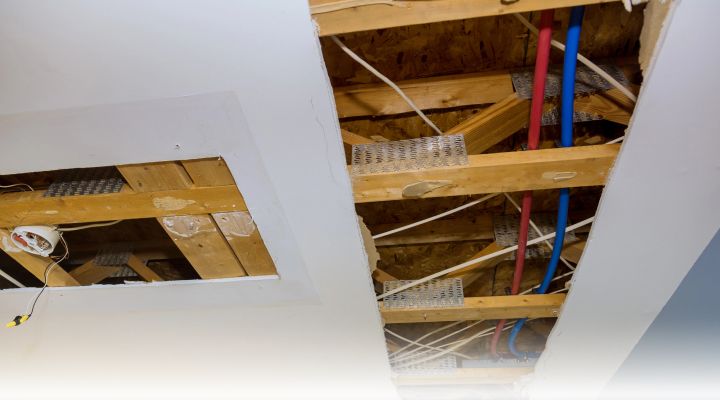
Once everything is prepared, a plumber opens sections of drywall, ceilings, and sometimes flooring to reach pipe runs. This isn’t demolition, typically, 15–30 cm access panels are cut, not full walls. Then the existing pipes are cut out and removed.
Day 3-6. New pipe installation
This step might take even longer. A plumber runs new PEX or copper pipe through the wall cavities, following the same routing as the old system. Then, all pipes are secured with appropriate hangers and strapping and connected to fixtures and appliances.
Day 6-7. Pressure testing and inspection
Before walls are closed, a plumber tests the new system, filling it with water and holding it at above-normal pressure for a set period to identify any weak joints, pinhole leaks, or improper connections.
Once the main job is finished, a building inspector visits the site to review the installation against code before the walls are closed. This is another mandatory step that cannot be skipped.
So, Is Whole-Home Repiping Worth It?
Let’s be honest: the question isn’t really whether to repipe, it’s when, and how long you can wait.
If your home is over 20 years old and still has its original plumbing, you’re likely living with pipes that are either past their lifespan or approaching it fast.
New pipes mean clean water from day one, no rust, no metallic taste, no brown trickle from the tap when you run two fixtures at once.
Contact Superior Plumbing & Heating, and our experts will answer all your questions about trenchless repairs.
If done right, a whole-home repipe is one of the best investments you can make. It solves a problem that only gets more expensive the longer it waits. Moreover, it can make your home more attractive to buyers and potentially increase its value when it comes time to sell.
One day, you notice a water stain on the ceiling, and it didn’t come from nowhere. Is this coming from the roof, or from a pipe somewhere above? They can look the same, but what’s causing them isn’t obvious.
If you’re asking, “Why did my water bill suddenly go up when nothing changed?”, then you’re not alone. It’s one of the most common plumbing complaints homeowners have in Ontario! But once you find a cause, you can fix it. To do so, let’s begin with the basics.
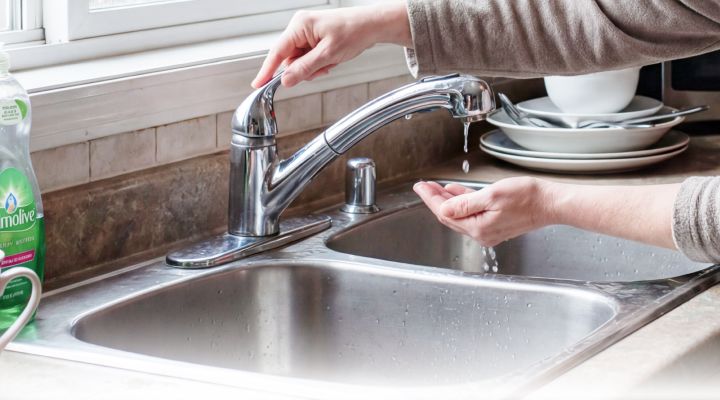
There are many reasons for low water pressure in the water heater or throughout your home. If the problem is due to the city’s water supply, like a broken water main, you’ll need to wait for the water company to fix it. However, if the issue is specific to your home, such as a leaking water pipe or a faulty pressure regulator, plumbing repairs can help fix the problem.
How do I know if my house actually needs a full repipe?
If you keep dealing with leaks, weak water pressure, rusty water, or noisy pipes, your plumbing may be wearing out. And if problems keep showing up in different areas of your home, it usually means the system, not just one pipe, is failing.
Copper is expensive. Is PEX a reliable alternative for my home in Ontario?
Absolutely. In fact, PEX-A is often superior, especially in Ontario’s deep freezes. Unlike copper, which can crack when frozen, PEX is flexible and can expand slightly. Plus, installing PEX costs 30% to 50% less than copper.
How long will I be without water during the project?
Most whole-house repiping projects take 5 to 7 days, but you won’t be without water the entire time. A plumber typically shuts off the water for 4 to 6 hours during the day while they work, then restores it every evening.
Will my walls be destroyed?
No. Plumbers use a “surgical” approach, and make small, strategic incisions (usually about the size of an iPad) in the drywall to access the pipe “runs.” Once the new lines are tested, those small openings are patched and textured.
Will it improve water pressure?
It certainly will. Old galvanized pipes can become blocked by mineral buildup. By replacing them with smooth PEX or new copper, you can restore the original water flow to your showers and appliances.