
 Call us and we’ll come to you




























Furnace Installation in Hamilton Planned Around the Home
A successful furnace installation in Hamilton starts with choosing equipment that fits the home. Hamilton includes both older houses with legacy ductwork and newer properties designed for high-efficiency systems, so airflow, venting, drainage, controls, and furnace capacity should be reviewed before installation.
Our technicians assess the existing system, duct connections, gas line, venting, thermostat, and mechanical space to determine what modifications may be needed.
Proper sizing is also essential. For Hamilton furnace installation, we consider the home’s layout, heating demand, insulation, and airflow rather than simply matching the old furnace.
After installation, we test ignition, airflow, thermostat response, venting, and the full heating cycle to confirm reliable operation.
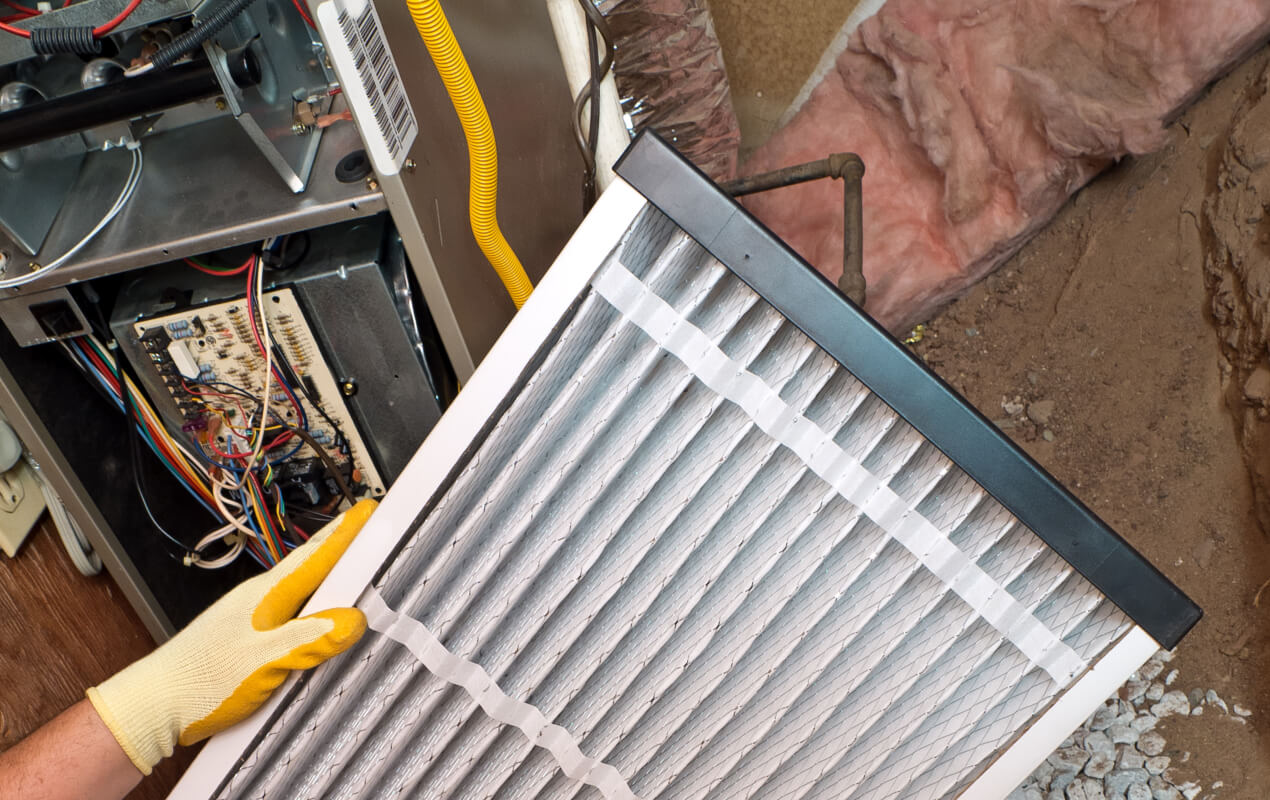
Repair or Furnace Replacement in Hamilton: Which Makes More Sense?
Not every furnace problem means the system should be replaced. If the current failure is isolated, parts are available, and the major components remain in reasonable condition, keeping the existing system may still make financial sense. In that case, our furnace repair in Hamilton service can diagnose the fault and restore reliable heating without replacing the unit.
Furnace replacement in Hamilton becomes more practical when breakdowns are becoming frequent, major components are deteriorating, heating performance has declined, or another expensive service visit would provide limited remaining value. The condition of the complete system matters more than age alone.
Replacement can also be worth considering when the existing furnace no longer matches the home. Renovations, additions, insulation upgrades, or long-standing hot-and-cold room problems may mean the old equipment or airflow setup is no longer appropriate.
Before recommending a Hamilton furnace replacement, the technician should compare the current system condition, expected remaining service life, installation requirements, and the cost of moving to new equipment. That gives the homeowner a clearer basis for deciding whether to keep investing in the current furnace or replace it.
What Is Included in Furnace Installation in Hamilton?
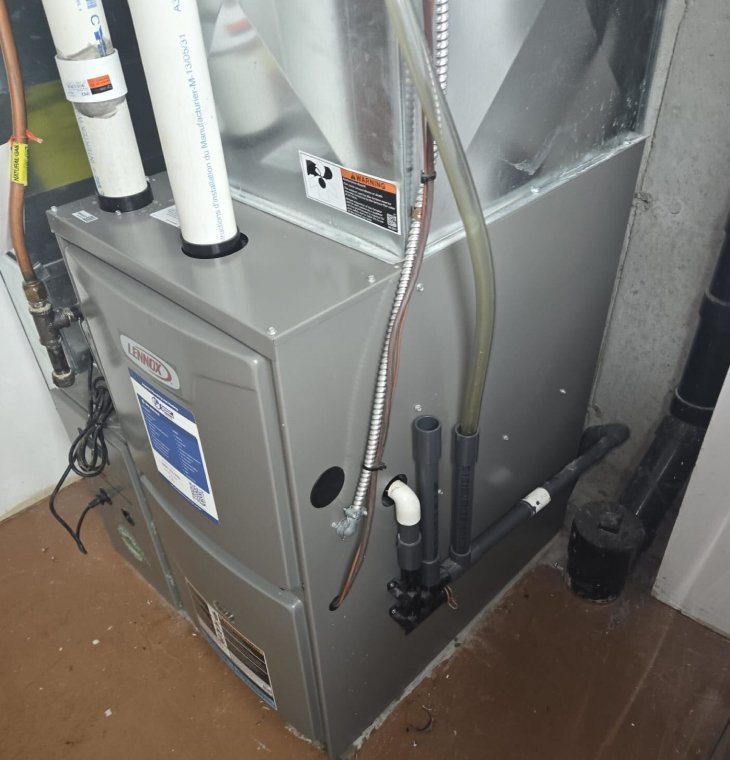
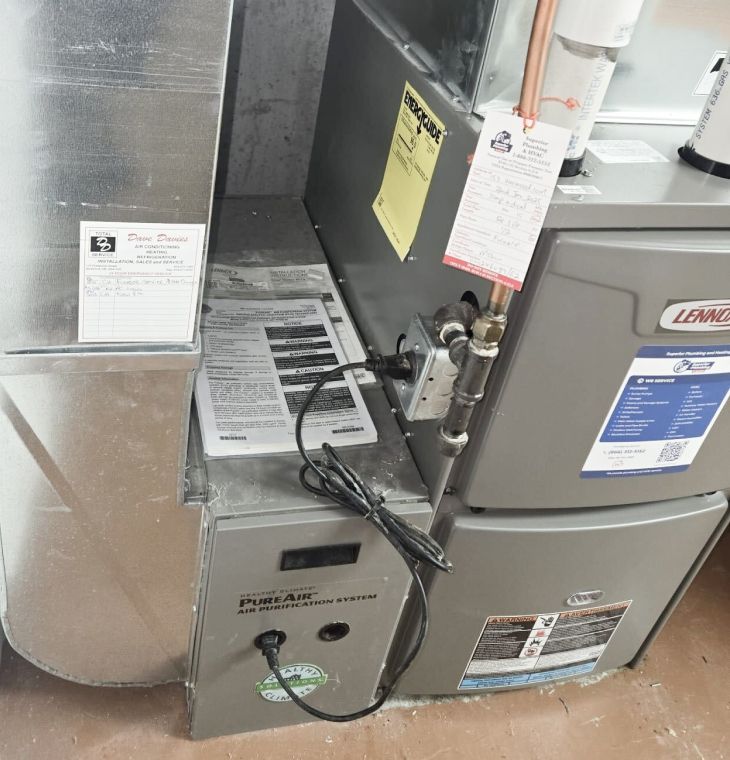
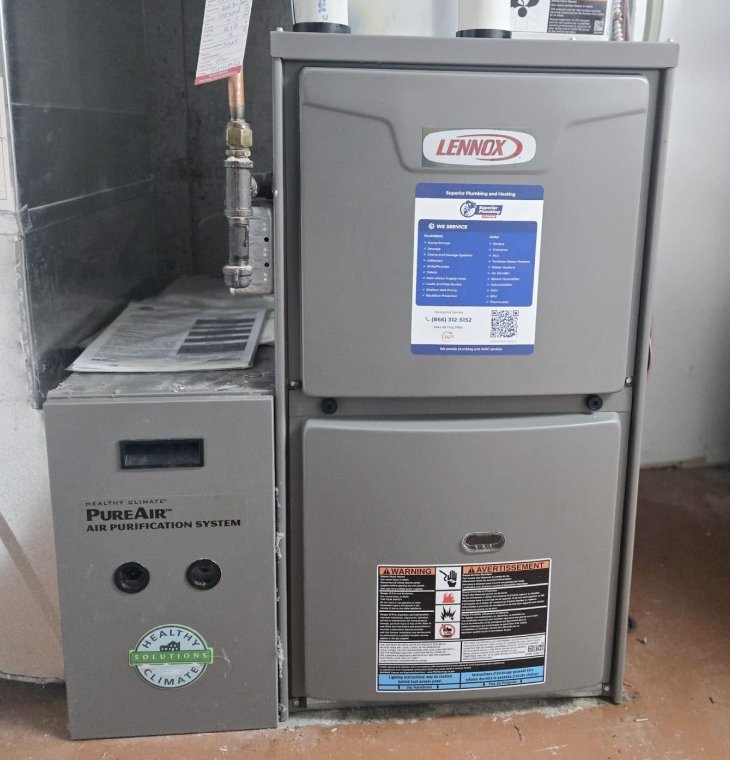
A complete furnace installation service in Hamilton can involve much more than positioning a new furnace in the mechanical room.

The exact scope depends on the home and equipment selected, but the job can include:
- Disconnecting and removing the old furnace
- Preparing the mechanical area
- Installing and levelling the new unit
- Adapting supply and return duct connections
- Completing gas-line connections
- Connecting intake and exhaust venting
- Installing condensate drainage where required
- Completing electrical connections
- Connecting or upgrading thermostat controls
- Configuring furnace settings
- Testing airflow and heating operation
- Cleaning the work area after installation
Where the scope involves work that requires a permit or inspection, Hamilton’s building and inspection requirements should be checked before the project proceeds. The City notes that HVAC-related work and rough-ins can be subject to permitting and inspection requirements depending on the project.
The goal of gas furnace installation in Hamilton is not simply to replace old equipment, but to leave the home with a heating system that is correctly connected, properly configured, and tested for dependable operation. Once the new system is in place, scheduling furnace maintenance in Hamilton on a seasonal basis helps keep it running correctly and catches wear before it becomes a repair.
How Your Hamilton Furnace Installation Comes Together
A successful furnace replacement depends on planning the entire project around the home, not just swapping one unit for another.
Existing System Review We assess the current furnace, duct connections, venting, gas supply, thermostat, mechanical space, and any comfort issues you want the new system to address.
Equipment Selection Suitable furnace options are matched to the home’s heating needs, capacity requirements, efficiency goals, and installation conditions.
Installation Planning Before work begins, we explain the full scope, including old-equipment removal, duct transitions, venting, gas or electrical work, thermostat setup, and any required modifications.
Furnace Installation The new furnace is installed, connected, and configured according to the selected equipment and the home’s existing HVAC setup.
Startup and Final Testing We run the system through a complete heating cycle, check ignition, airflow, thermostat response, venting, and shutdown, then review basic operation and warranty information before handover.