

Your House Smells Like Sewer? It Might Be More Serious Than You Think
Not sure why your home smells like sewer gas? Answer these 6 quick questions to get an idea of the possible cause and what to do next.
find out what causing itNot sure why your home smells like sewer gas? Answer these 6 quick questions to get an idea of the possible cause and what to do next.
find out what causing itQuick Answer
Wonder “Why does my house smell like sewer?”, then you’re not alone! Many homeowners notice a sewer smell in the house and don’t know what to do or why it appears in the first place.
Sure, you could ignore it, or even use a well-known “baking soda vinegar drain fix” remedy, pouring it down the lines to get rid of the problem, but let’s be honest: that won’t solve the rotten egg smell drain problem.
To fix a drain odour, you first need to identify its cause. You probably know that most homes have drain smells due to five main plumbing problems, and if you ignore them, those odours can become worse and lead to expensive repairs and affect your health. If you’re searching for house smells like sewer gas causes, the most common reasons include:
The Reason #1
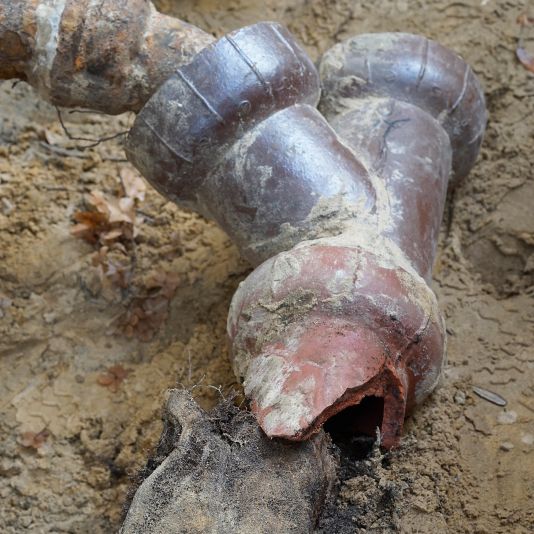
You may wonder: “Why does my bathroom drain smell like sewage?” Another reason is aging clay, cast iron (especially in homes built before the 1970s), or PVC sewer lines that many older homes in Ontario still have. Combined with freeze-thaw cycles and seasonal soil movement, these pipes can crack or shift under pressure
When this happens, sewer gas can leak into your home through any gaps in the pipes.
The Reason #2
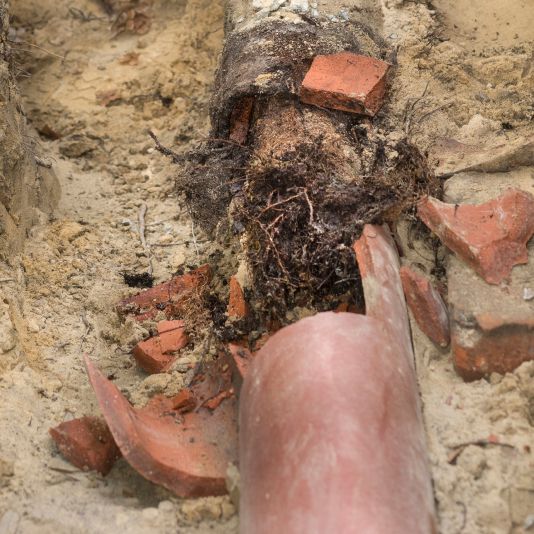
Tree roots seek out water and can grow into sewer pipes through small cracks. As they accumulate, they create dense blockages, and that, in turn, can cause wastewater and gas to back up as the blockage grows.
The Reason #3
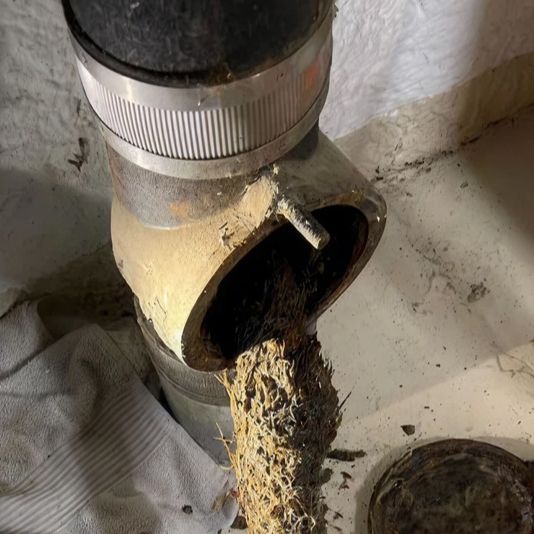
The sewer smell gets worse after it rains? Did you know that your pipes actually “breathe” through vent stacks that exit the roof, and when these vents get blocked by frost, leaves, or debris, air cannot flow properly. In that case, this creates a vacuum, pulling water out of your P-traps and leaving drains exposed.
That’s why sometimes a sewer smell after rain appears, or why your drain smell comes and goes depending on weather conditions. In Ontario winters, frost capping can reduce vent airflow by up to 80%, making this problem even more common.
The Reason #4
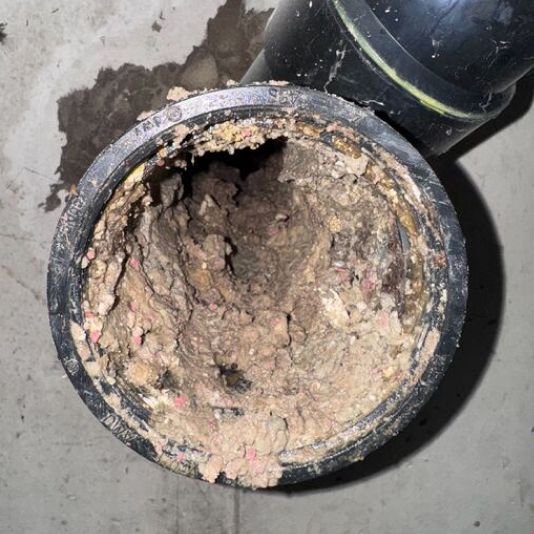
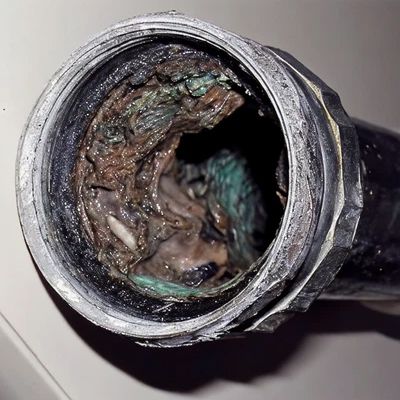
Even if your pipes seem clean, they can have a thin layer of bacteria, hair, soap scum, and other organic materials. This layer is called biofilm. Over time, this buildup creates hydrogen sulfide gas, which causes:
You should be aware that biofilm is tough, and standard DIY chemicals usually only mask the smell and don’t remove the culprit, even if the drain smell only when water runs.
The Reason #5
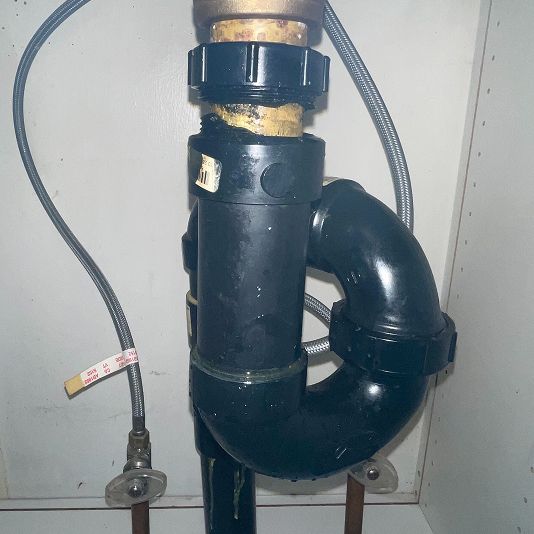
P-traps are those U-shaped pipes you see under sinks, showers, and floor drains. They hold water, acting as a seal to stop sewer gases from entering your home. But if a bathroom or floor drain is not used for a few weeks, the water in it can evaporate. And suddenly, your house smells like sewage only in one bathroom.
Fortunately, it’s simple to fix. Run water in unused drains, and if the smell persists, it’s often a sign there’s more going on.
Your House Smells Like Sewer? Find Out Why!
Not sure why your home smells like sewer gas? Answer these 6 quick questions to get an idea of the possible cause and what to do next.
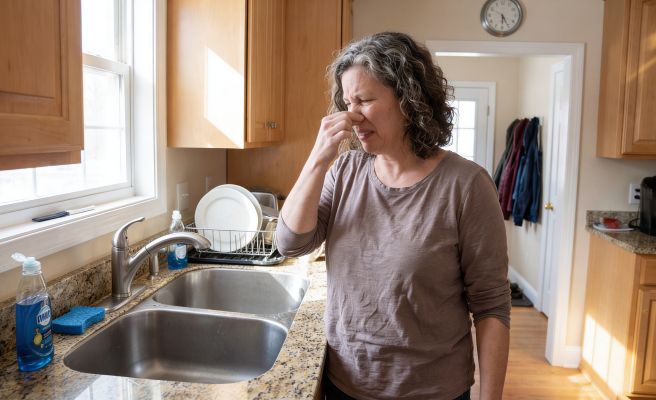
It may sound obvious, but different smells often tell you exactly where the problem lies. For example:
🚨 You notice the smell in the shower or guest bathroom.
“The house smells like sewage only in one bathroom or why does my toilet smell like rotten eggs” are the common concerns of many homeowners and are often caused by a dried P-trap or hidden vent issues.
🚨 You notice the smell in the kitchen.
Usually, a kitchen drain smells like rotten eggs when biofilm or food buildup produces hydrogen sulfide gas.
🚨 You notice the smell in the basement.
In most cases, a sewer smell coming from floor drain basement may indicate sagging pipes, trapped waste, or venting problems.
Even if you’ve just moved in, a “just moved in house smells like sewage” scenario often points to pre-existing plumbing issues like blocked vents or neglected biofilm buildup.
Got a sewer smell in your basement in Ontario? In this case, a DIY drain cleaner or other home tricks won’t fix the sewer smell in your house. So if you notice any of these, it’s time to call a professional plumber:
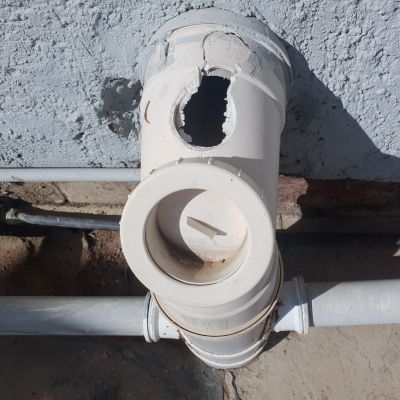
Hidden cracks in vent pipes or wall connections are the reason for a sewer gas smell in house. To solve this problem, expert plumbers use smoke testing to find these invisible leaks.
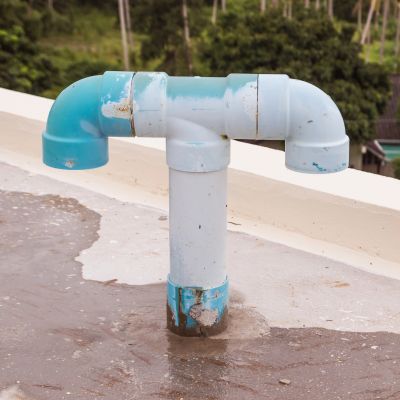
Blocked vent stacks can create a vacuum that pulls water from P-traps, leaving drains exposed. To fix it, plumbers clear the vent stacks.
Did you know that methane is heavier than air and can settle in low areas? To fix that, a certified plumber inspects the pipes with a camera to locate the source of the problem.
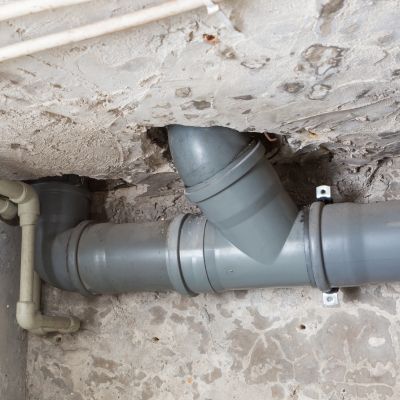
This is usually caused by biofilm buildup inside the pipes. For this kind of issue, plumbers use hydro-jetting, blasting pipes with high-pressure water to eliminate bacteria.
It means there is a problem with the venting system or a blockage in the main line. The plumber inspects the system to identify issues and fix them with the right equipment.
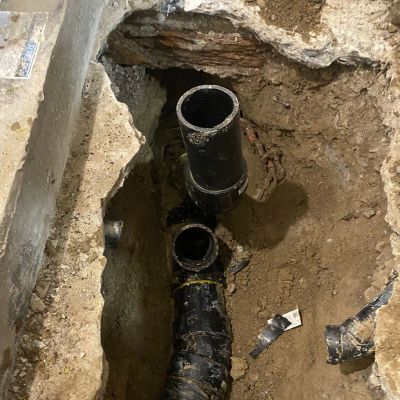
Does your own or rental apartment have a sewer smell? Sewer gas is more dangerous than you think. All because it contains substances like bacteria, methane, ammonia, and hydrogen sulfide, which can affect our bodies in various ways

When you breathe in sewer gas, it can irritate your nose, throat, and lungs almost immediately.
If exposure continues, you may start noticing persistent coughing, chest tightness, or even asthma flare-ups.

Even low levels of hydrogen sulfide can cause dizziness, nausea, and headaches. If you notice symptoms worsen while in the bathroom, contact a plumber as soon as possible.

You might feel your eyes burning or watering after spending time in the affected bathroom. In some cases, it can also lead to skin irritation or infection if you touch contaminated surfaces.
If you have persistent drain odours, YouTube drain cleaning tips won’t fix the real issue. A professional plumber addresses the problem from every angle, and if the problem is obvious, they may suggest:
Trenchless sewer line repair.
It includes everything from camera inspections and clearing blockages to thoroughly cleaning and fully restoring your pipes. Unlike temporary fixes like hydro-jetting or enzyme treatments, this method provides a durable, long-lasting solution — all without digging, so your property stays intact
If not, there are other options. Here’s what plumbers can do:
For hard-to-see problems, a plumber runs a specialized drain camera through your pipes to spot cracks, blockages, or damage that visual inspection alone could never reveal.
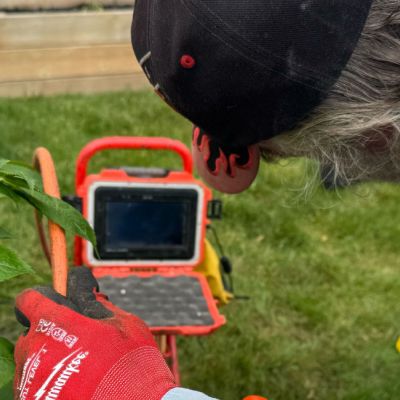
When frost, leaves, or debris block your pipes, it can cause suction that pulls water out of your P-traps. A plumber can clear these blockages and restore proper airflow throughout the drain system.
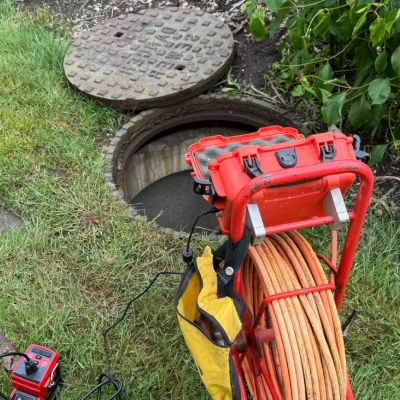
If you don’t use drains often, consider installing a trap primer. This small device automatically adds water to the trap in fixtures that are rarely used. It quietly keeps the P-traps filled, which stops sewer gas from escaping due to a dry trap.
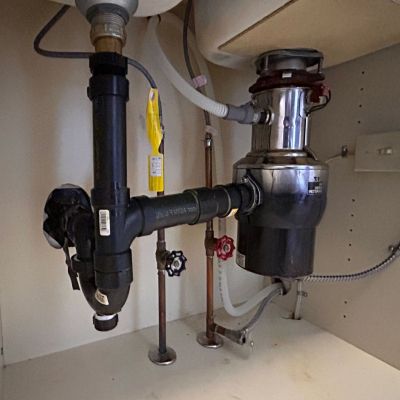
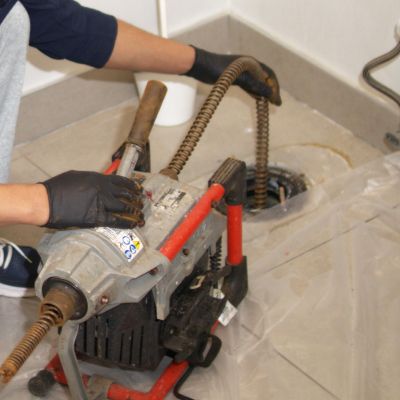
When buildup in your pipes is the problem, hydro-jetting is the best solution. This method cleans your pipes thoroughly rather than just clearing them temporarily, so you won’t need to search for “how to use drain snake yourself.”
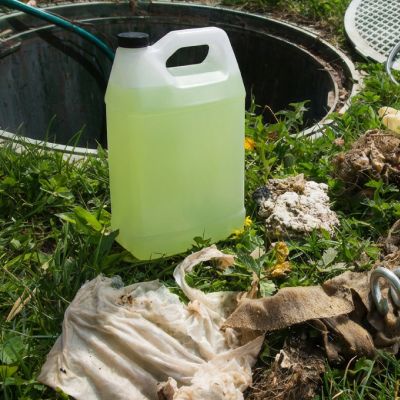
To eliminate stubborn odours, plumbers use bio-enzymatic treatments, introducing beneficial bacteria that break down the organic matter causing the smell, stopping drain smells like sewage at the source without harsh chemicals.

A bad drain smell is more than just annoying! It means something needs to be fixed in your home. If you ignore it or use temporary solutions like pouring water or store-bought cleaners, you may end up with bigger and more expensive problems.
Whether the smell comes from one bathroom, gets worse after rain, or was there when you moved in, it’s important to find the root cause, like dry traps, blocked vents, or buildup in your pipes, before the issue worsens.
If you’re dealing with a sewer smell new construction warranty may cover the issues, but it’s always better to prevent it.
Calling a plumber for sewer smell will ensure the problem is fixed safely and completely, giving you peace of mind and keeping your family healthy.