

Have you ever stepped into the shower only to be met with a pathetic trickle? In Ontario, where the average resident uses 220 liters of water a day, low water pressure isn’t just an annoyance—it’s a household crisis.
At Superior Plumbing & Heating, we’ve seen it all—from the historic pipes of Etobicoke to the modern systems in Mississauga and Oakville. Before you panic, let’s determine if your home needs a quick DIY fix or a professional intervention.
Phase 1: The “5-Minute Intel” Check
Before calling a plumber, rule out the city.
- The Neighbor Test: Check if your neighbors are struggling too. If the whole street is low, it’s a municipal issue.
- The “No Water” Map: Check your local Ontario municipality’s (Toronto, Peel, or York Region) service alerts. City crews might be flushing hydrants or repairing a watermain break near you.
- 311 Alert: If there’s an emergency break, city response times can currently be up to 72 hours. If the issue is only in your house, you can’t afford to wait that long.

Phase 2: Top 5 Reasons for Low Pressure in Ontario Homes
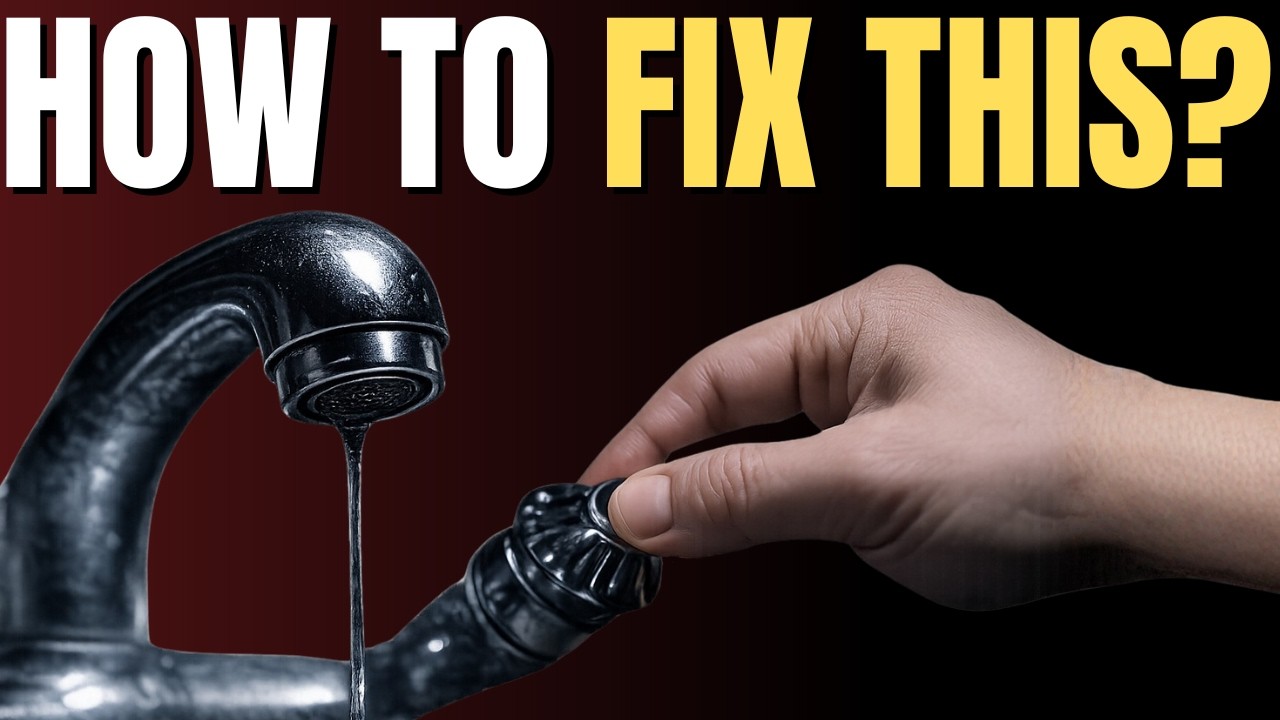
1. The Mineral “Throttling” (Clogged Aerators)
Ontario is famous for hard water. Over time, calcium and carbonates build up in the tiny screens of your faucets.
The DIY Fix: Unscrew the aerator and soak it in vinegar for 15 minutes. If it fizzes, that’s the carbonate dissolving!
2. The Pressure Reducing Valve (PRV) Failure
Most Ontario homes built in the last 30 years have a PRV. It’s a bell-shaped device near your main shut-off. If your pressure dropped suddenly across the whole house, the PRV is likely dead.
The Expert Warning: PRVs have a lifespan of 7–12 years. Adjusting an old one yourself can lead to a burst pipe.
3. The “Bypass” Test (Water Softeners)
If you have a water softener and your cold water pressure is low, the unit might be clogged.
The Fix: Switch your softener to “Bypass” mode. If pressure returns, the softener needs a service.
4. Corrosion in Older Homes (Pre-1980s)
If you live in a home built around 1978 or earlier, you likely have galvanized steel pipes. These “choke” with rust from the inside out.
The Symptom: Good pressure for 2 seconds, then it drops to a dribble.
5. The Winter Threat: Frozen Pipes
In the depths of an Ontario winter, low pressure is often a warning sign that a pipe is partially frozen. This is a ticking time bomb.
Ontario Special: What to Do if Your Pipes are Frozen
If the temperature is well below zero and your water has slowed to a crawl:
- DO: Open the lowest tap in the house (laundry room sink) and use a hairdryer or space heater to warm the pipe near the foundation wall.
- DON’T: Never use an open flame or torch. It’s a massive fire hazard.
- BE READY: Know where your Main Shut-off Valve is. If a pipe bursts as it thaws, you need to kill the water immediately.
Why Choose Superior Plumbing & Heating?
When the City of Ontario crews are backlogged with 72-hour wait times, Superior Plumbing & Heating is your fast-track to comfort. We don’t just “guess”—мы diagnose with precision.
| The Problem | DIY or Professional? | Superior Solution |
| Clogged Faucet Aerator | ✅ DIY (Vinegar soak) | We can show you how! |
| Failed PRV Valve | ❌ Professional Required | Same-day replacement & calibration |
| Frozen/Burst Pipe | 🚨 Emergency Call | Safe thawing & leak prevention |
| Whole-house low pressure | ❌ Professional Required | Acoustic leak detection & pipe assessment |
Don’t Let a Drip Ruin Your Day
Whether you’re in Toronto, Burlington, Oakville, or Etobicoke, our licensed experts are ready to restore your home’s “flow.” We offer transparent pricing, 24/7 emergency service, and the local expertise only a neighbor can provide.