
 Call us and we’ll come to you

























Four furnace symptoms, and what the timing tells us
One furnace part can fail in several ways, and two different parts can produce nearly the same symptom. So we watch for more than what the furnace is doing. We watch for when it happens. In a lot of cases the timing points to the cause faster than an error code or a reset ever could.

1. It only struggles on the first start after sitting idle
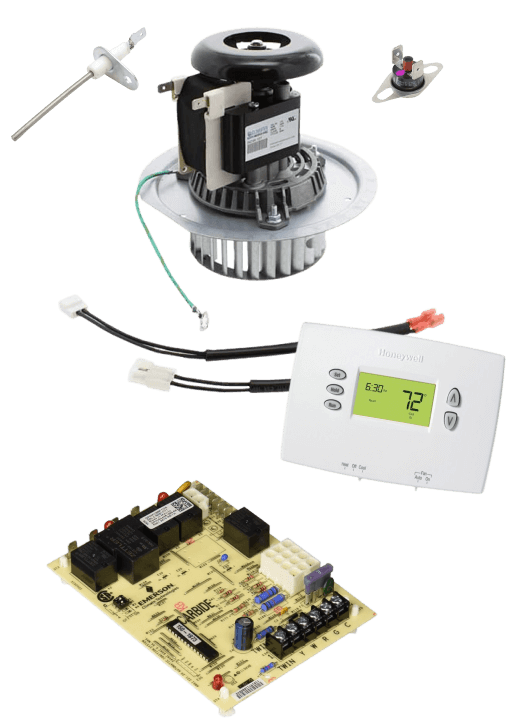
When the system stalls, clicks over and over, or takes a few tries to light after a long time off, the ignition sequence is worth a close look. The technician can test the igniter, the flame sensor, how the gas ignites, the pressure switch, the inducer, and the control signals that have to fire in order before the burners hold. A furnace that starts eventually is not the same as a furnace that starts the way it should.
2. The burners light, but the heat quits before the house warms up
A furnace that fires up and then drops out midway through a heat call may be reacting to lost flame, overheating, a pressure problem, or a tripped safety circuit. We time how long it runs before it quits, and we note what changes just before it does. That timing helps us tell an ignition fault apart from an airflow or control fault.
3. The furnace runs, but the rooms still feel cold
When the unit looks like it is working but the house keeps getting less comfortable, the trouble is often on the air side rather than the burner side. Weak airflow, a struggling blower, a clogged filter, poor return air, the wrong temperature rise, or the ducts themselves can all cut into how much real heat reaches the rooms. Test the furnace first, before deciding the home needs a bigger one.
4. It works fine in mild weather and fails once demand climbs
Intermittent faults tend to show up once the system has to run for longer stretches. A motor can overheat, a limit can open, pressure can turn unstable, or an electrical part can give out only after it has warmed up. These are the calls where a quick reset buries the symptom for a while. What we want to find is what changes during that longer run, and fix that.
Furnace repair in Nepean that follows the sequence of operation
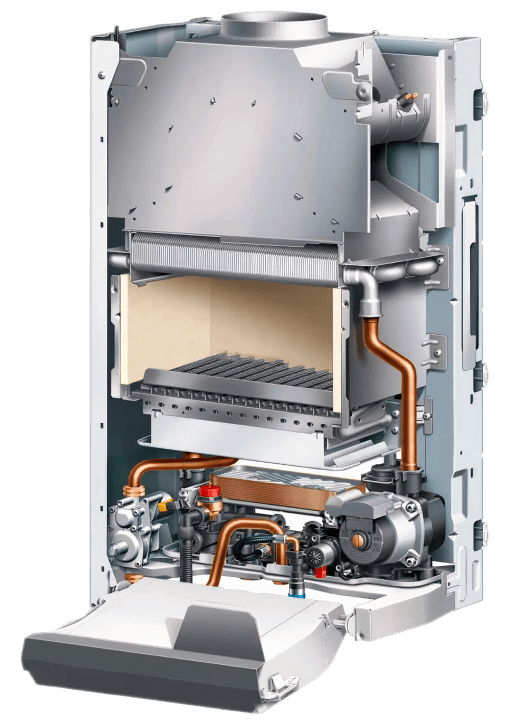
Before a gas furnace can hold steady heat, it has to run through a fixed chain of events. The thermostat calls, the inducer spins up, pressure is proven, ignition starts, the flame lights and is confirmed, the blower comes on, and the furnace keeps checking temperature and safety right up until the heat call ends. If any one step drops out, the steps after it can stop too.
The furnace repair Nepean homeowners can book from us is built around finding the exact point where that chain breaks. That can mean electrical tests, temperature readings, airflow checks, a look at the ignition parts, or watching the furnace over several cycles instead of one. Once we have confirmed the fault, the technician tells you what has to be fixed and what the repair is meant to solve.
This kind of sequence testing matters most for a furnace repair service Nepean homeowners call about recurring or on-again, off-again faults. A part can read as fine during a five-minute visit and then fail once the furnace has run for twenty. That is why the symptom history you give us can be worth as much as the code on the control board.
Emergency furnace repair when a Nepean home loses reliable heat
A furnace problem turns urgent once the house has no dependable heat and the indoor temperature is dropping. A total loss of heat, safety shutdowns that keep repeating, a blower that will not run, or a system that cannot stay on long enough to warm the place can all call for emergency furnace repair rather than a routine visit.
When you book an urgent call, tell us what the furnace is doing right now and what happened just before it failed. Let the dispatcher know if the burners light, if the blower runs, if the unit keeps cycling on and off, and if you are hearing any new noises. With that, the technician can arrive ready to test the most likely stage of the sequence instead of treating the symptom as the diagnosis.
Safety comes before any of this. If you smell gas, suspect carbon monoxide, or a CO alarm is going off, leave the area and call your gas utility or emergency services. Troubleshooting the furnace can wait until the immediate hazard is dealt with. 
When a repair is still the better call
An older furnace does not automatically need replacing, and a symptom that looks expensive does not always mean the unit is finished. A repair can still be the right choice when the heat exchanger and the main assemblies are in good working shape, the failed part is reasonable to replace, and the system has not fallen into a run of costly breakdowns.
The math changes when a critical part is unsafe, when major failures keep coming, when the parts you need are no longer practical to find, or when the cost of restoring the unit no longer fits its overall condition. We would rather have that conversation after the furnace has been tested, so you can weigh a real repair quote against a real replacement quote instead of being steered toward new equipment before anyone knows the cause.
When a new furnace in Nepean is the practical next step
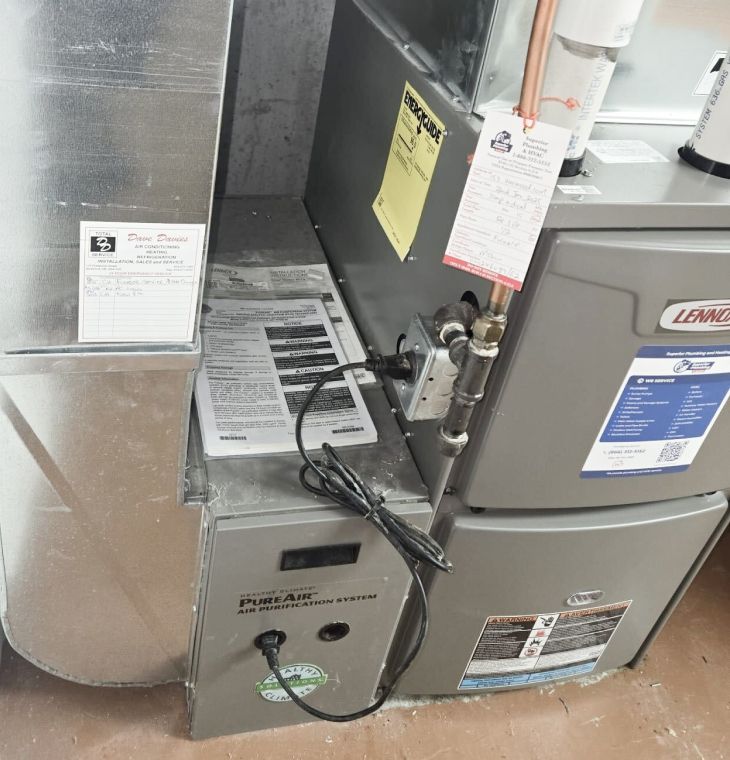
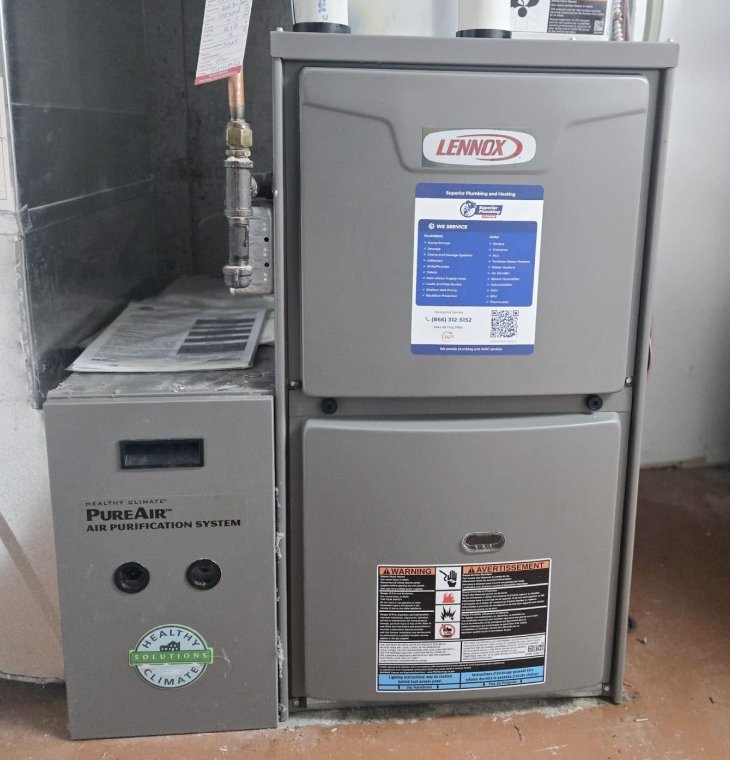
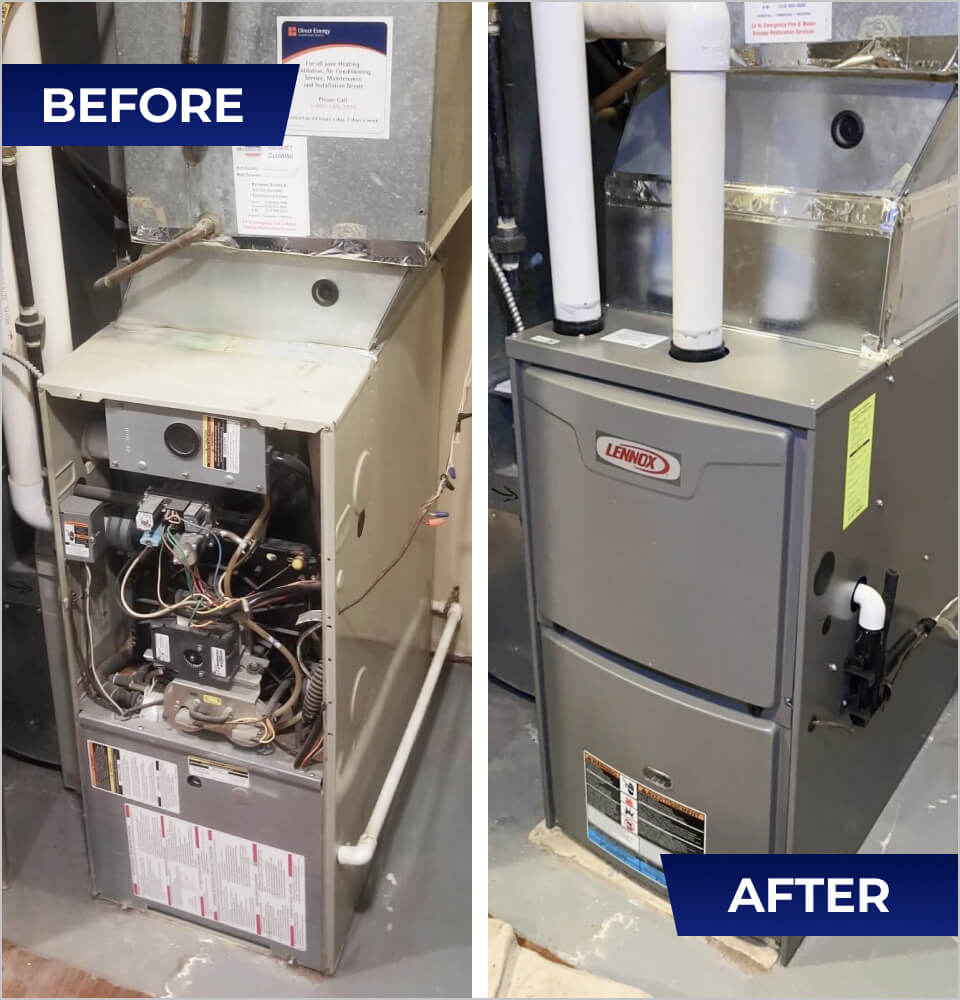
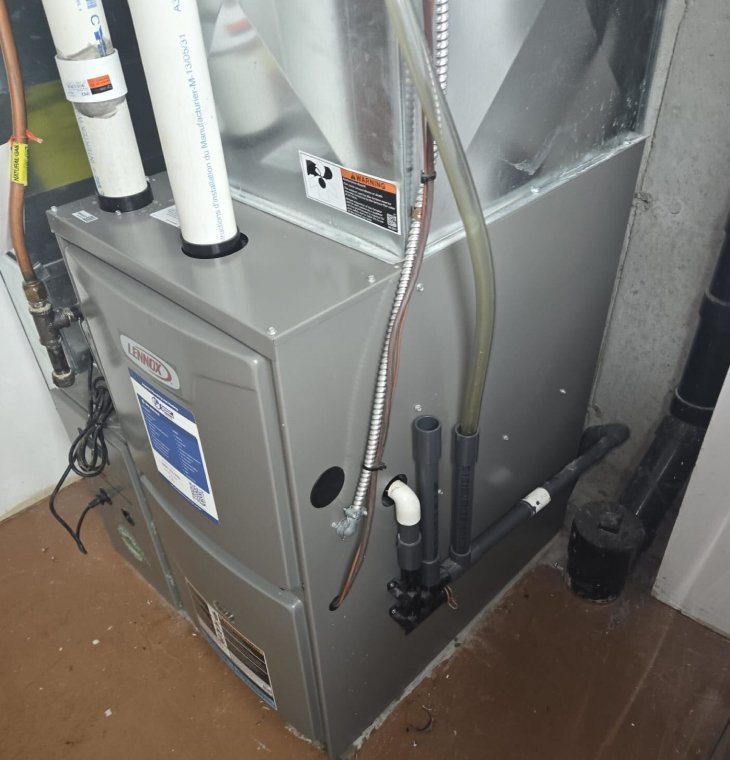
If the testing shows the current unit is no longer worth repairing, we can move from diagnosis to planning the replacement. A new furnace in Nepean should be sized for the home, not just copied from the capacity of the old one. The installation has to account for the heating load, the airflow, the venting, the fuel connection, the electrical requirements, the thermostat controls, and how the new furnace ties into the ducts you already have.
Our Nepean furnace installation service can cover removing the old unit, prepping the connection points, setting the new furnace in place, handling the venting and control work it needs, running the start-up tests, and doing a final operating check. The aim is not just to get the new system to switch on. It is to confirm the furnace is installed and commissioned to run steadily in your home.
If you are comparing furnace installers across Nepean, ask what the quoted installation actually includes, how the sizing was worked out, what changes to the venting or controls might be needed, what warranty comes with it, and how the finished system gets tested. Those answers matter more than picking a unit by its model name.